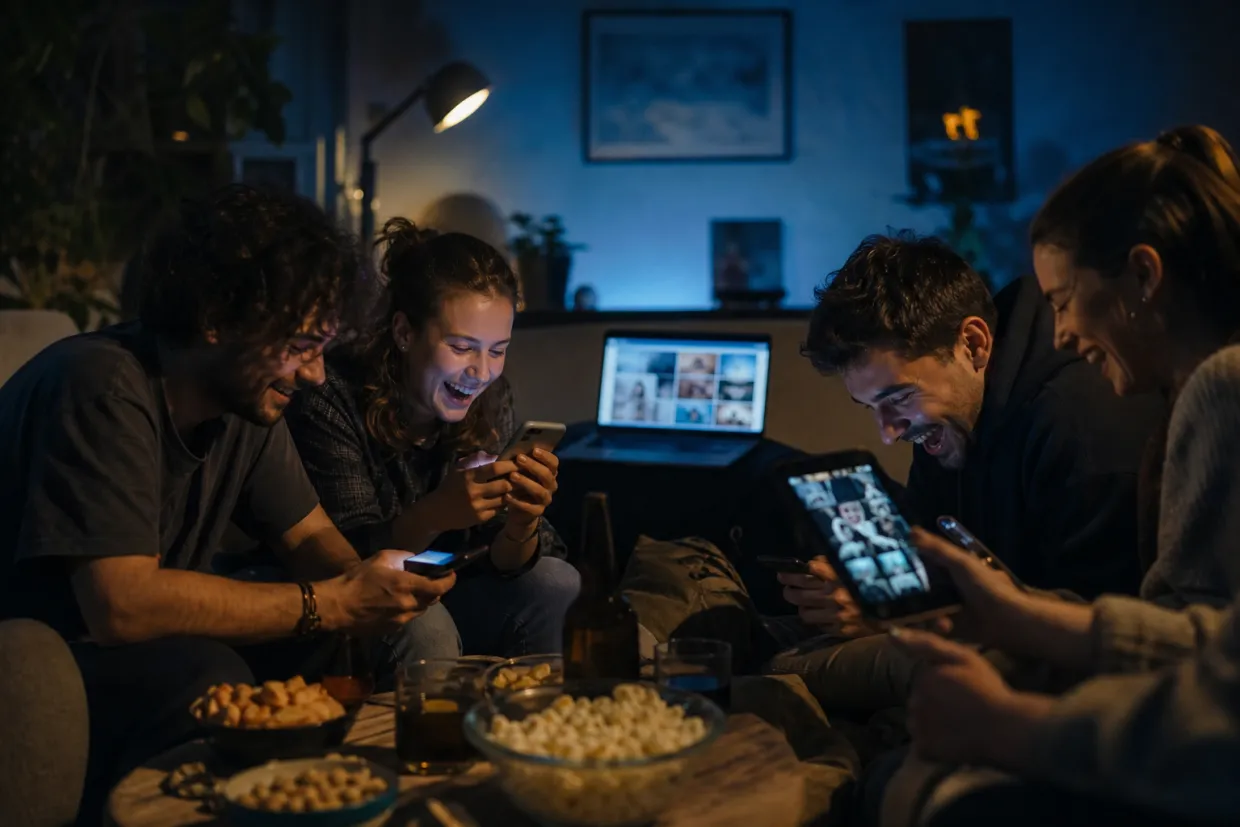
Funny pictures with memes are captioned images and amusing items spread widely online, serving as units of cultural transmission that pair visual contexts with humorous text. Merriam-Webster officially added this definition in May 2015, noting how these graphics convey messages through familiar imagery and novel text.
The Anatomy of Funny Pictures with Memes
Understanding the essential components of image-based memes is crucial for grasping their appeal and effectiveness. At the core of these memes are several key elements: base images, macro typography, and the visual vernacular.
Base images serve as the foundation of a meme. These images are often selected for their recognisable or relatable qualities, allowing viewers to connect quickly with the content. A notable example includes the "Doge" meme, which features the Shiba Inu dog, becoming a cultural icon since its rise in popularity. The choice of a base image can significantly influence a meme's reception and shareability.
Macro typography refers to the large, bold text that typically accompanies the base image. This text is designed to be easily readable, often using fonts like Impact, which has become synonymous with meme culture. The combination of a strong visual and clear, humorous text creates an immediate impact, allowing the viewer to grasp the intended message quickly. The development of software like Adobe Photoshop in the late 1990s facilitated this trend by improving text-handling capabilities, which enabled users to add captions effortlessly[1].
Visual vernacular encompasses the unique aesthetic and stylistic choices that characterise memes. This includes the juxtaposition of images and text, which often creates a subtext that enhances the humour. For instance, a reaction image may feature a person or animal expressing a specific emotion, paired with text that conveys a relatable sentiment. This interplay of visuals and text capitalises on semiotic context, where the meaning is derived from the relationship between the two elements[2].
In summary, the anatomy of funny pictures with memes is built upon base images, macro typography, and visual vernacular. These components work together to create engaging and shareable content, making them a staple of internet culture. For further insights into the appeal of memes, consider exploring What Are Funny Memes? Understanding Their Appeal.
Classic Base Images That Defined Internet Humor
Certain base images have become iconic in the realm of internet humour, serving as templates for countless memes. These images often embody specific facial expressions or situations that resonate with audiences, making them easily relatable. Examples of such classic images include Grumpy Cat, Success Kid, and the Drake Hotline Bling meme.
Grumpy Cat, whose real name was Tardar Sauce, became an internet sensation shortly after her first appearance in 2012. The cat's permanently displeased expression resonated with users, leading to the creation of memes that conveyed frustration or discontent. The simplicity of Grumpy Cat's expression allowed her image to be adapted for various contexts, perpetuating her status as a meme template.
Success Kid, featuring a toddler with a clenched fist and a determined expression, emerged in 2007. This image is often used to celebrate small victories or achievements, creating a context where success is depicted in a humorous light. The relatability of this image has made it a staple in meme culture, illustrating how a specific facial expression can serve as a universal representation of triumph.
Drake Hotline Bling, originating from a music video released in 2015, showcases the artist Drake in two contrasting panels. The first panel depicts him rejecting something, while the second shows him approving another. This juxtaposition creates a versatile template for expressing preferences or opinions, demonstrating how context can significantly influence a meme's effectiveness.
The enduring popularity of these images highlights the importance of recognisable visual elements in meme creation. Research indicates that memes conveying high-arousal emotions tend to be shared more frequently across social platforms, further solidifying the role of these classic templates in internet culture[3]. By utilising familiar images and specific contexts, meme creators can effectively engage audiences, ensuring that their content resonates and remains shareable.
Text-Image Synergy: How Captions Alter Visual Context
The interaction between text and images in memes creates a unique form of humour through semiotic juxtaposition. When unrelated or hyper-relatable captions are added to mundane photographs, they can generate cognitive dissonance, leading to amusement. This phenomenon occurs because the viewer's expectation of the image is disrupted by the unexpected textual element, creating a humorous contrast.
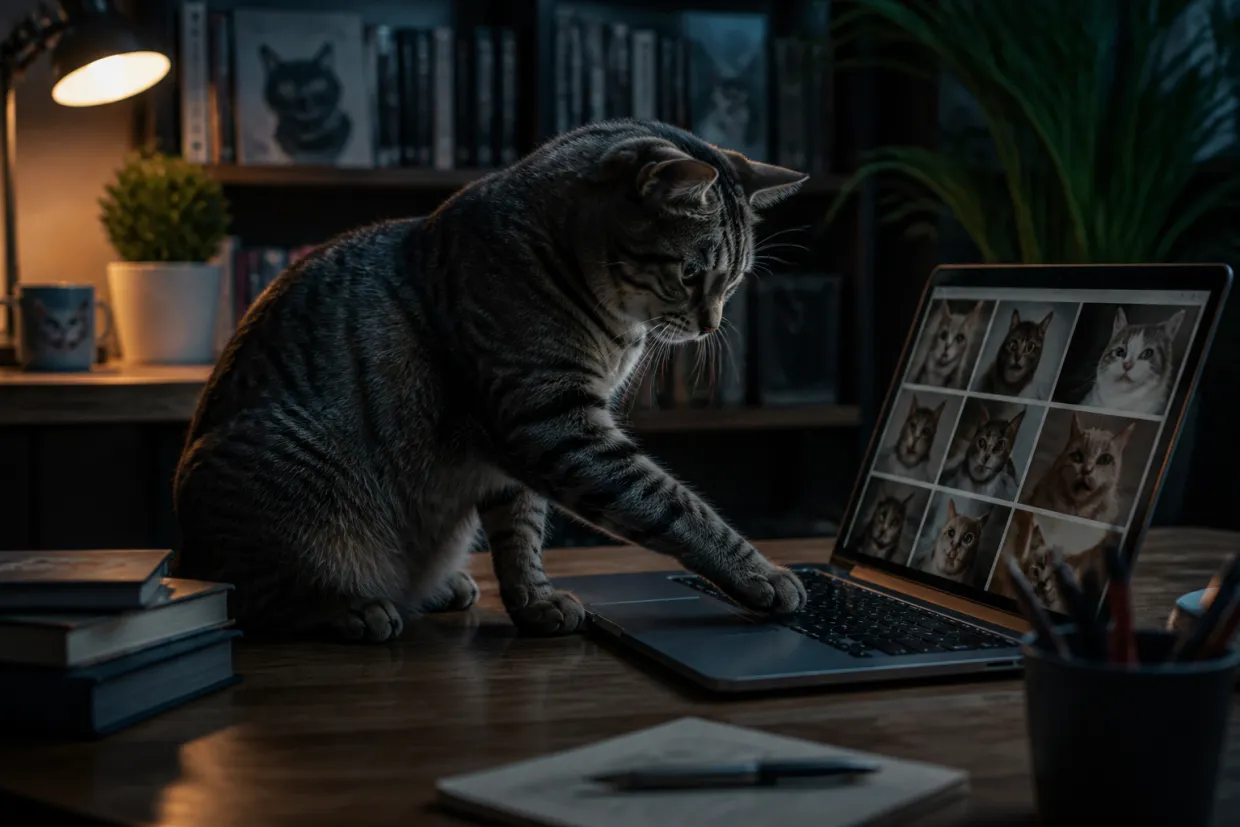
For instance, a simple image of a cat sitting on a keyboard might be paired with a caption like "When you accidentally send a work email to your crush." The mundane context of the cat is transformed into a relatable, humorous scenario. This shift in meaning relies on the viewer's ability to connect their experiences with the absurdity of the situation, highlighting the effectiveness of juxtaposition in meme creation.
Research indicates that the combination of culturally familiar visuals with novel text enhances the message conveyed by memes[2]. This synergy allows creators to tap into collective experiences, making the humour resonate more deeply with audiences. The effectiveness of these memes is often amplified by the use of specific formats, such as image macros, which feature large, bold text that is easy to read. The use of Impact font has become a hallmark of meme culture, solidifying its role in conveying humour[1].
Moreover, the visual vernacular of memes plays a crucial role in their impact. Memes that depict reaction images—where the expressions of individuals or animals are paired with humorous captions—demonstrate how the interplay between visuals and text can create a subtext that enhances the overall humour. This approach not only entertains but also invites viewers to engage with the content on a personal level, as they find connections between the image and their own experiences.
In summary, the synergy between text and images in memes creates a powerful tool for humour. By leveraging cognitive dissonance and the semiotic context, meme creators can craft engaging content that resonates with audiences, making it a staple of internet culture.
The Evolution from Silent Pictures to Modern Reaction Memes
The development of memes has transformed from simple image macros to complex reaction images laden with absurdity. Initially, the concept of a meme was introduced by Richard Dawkins in 1976 as a unit of cultural transmission that spreads through imitation[4]. Early internet memes, such as the 3D-rendered Dancing Baby animation from 1996, showcased how basic animations could capture attention and spread rapidly online[5]. This marked the beginning of a new era in digital humour, where visuals became a canvas for comedic expression.
As technology advanced, tools like Adobe Photoshop played a pivotal role in shaping meme culture. The release of Photoshop 5.0 in 1998 enabled users to add custom captions effortlessly, making it easier to create image macros[1]. The use of Impact font became synonymous with these macros, providing a bold and easily readable text option that enhanced the visual appeal of memes. By 2007, the launch of websites like I Can Has Cheezburger? popularised the LOLCat meme, further embedding humorous captions into mainstream culture[6].
The transition to modern reaction memes has seen the incorporation of multi-layered imagery and absurdism. Contemporary memes frequently utilise a combination of juxtaposed images and text, creating a semiotic context that invites deeper engagement from the audience. This approach leverages familiar visuals to convey new, often ironic messages, tapping into shared cultural experiences[2]. For example, reaction images that depict exaggerated facial expressions or absurd scenarios can evoke high-arousal emotions, leading to increased sharing across social platforms[3].
The evolution of memes reflects a shift towards more complex forms of humour, where the interplay of visuals and text creates layers of meaning. This transformation illustrates how internet culture continues to adapt and innovate, allowing creators to explore new dimensions of comedic expression. The current landscape of memes highlights the importance of understanding visual vernacular and the nuances of digital communication as a means to engage users effectively.
Deconstructing Famous Meme Formats Without Words
Visual humour in memes can transcend the need for text, relying solely on the image itself to convey the punchline. This phenomenon often occurs through the use of reaction images, where the expression or action depicted elicits an immediate emotional response. A well-known example is the "Distracted Boyfriend" meme, which captures a moment of distraction and desire, allowing viewers to interpret the scenario without any accompanying text. The image's inherent context creates a relatable situation, making it instantly humorous for audiences.
Another effective format is the use of iconic facial expressions. Images like "Surprised Pikachu" or "Condescending Wonka" rely on the recognisable emotions portrayed, enabling viewers to fill in the blanks with their own interpretations. These images often become templates for a variety of scenarios, demonstrating how a single visual can encapsulate a wide range of responses. The universal nature of these expressions ensures that they resonate across diverse audiences, reinforcing their effectiveness as standalone memes.
Juxtaposition also plays a crucial role in creating humour without words. The placement of contrasting images side by side can generate a comedic effect by highlighting absurdity or irony. For instance, an image of an everyday situation paired with an exaggerated reaction can amplify the humour, allowing viewers to appreciate the contrast without needing any textual explanation. This technique capitalises on the viewer's ability to recognise the underlying message through visual cues alone.
Studies indicate that memes conveying high-arousal emotions, whether positive or negative, tend to be shared more frequently across social platforms[3]. This suggests that the emotional impact of a well-crafted visual can drive engagement, independent of textual content. Creators can leverage this insight by focusing on images that evoke strong reactions, ensuring their memes remain relevant and shareable in the fast-paced landscape of internet culture.
In summary, the ability of certain meme formats to elicit humour without the need for explicit captions demonstrates the power of visual storytelling. By utilising reaction images, iconic expressions, and effective juxtaposition, meme creators can engage audiences and foster a deeper connection through shared visual experiences.
Curated Galleries: Iconic Funny Meme Pictures for Every Occasion
The variety of funny meme pictures is vast, encompassing numerous styles and themes that resonate with different audiences. Categorising these images can help users find the perfect meme for any occasion, whether for personal amusement or social sharing.
Relatable Everyday Moments
Memes that capture relatable scenarios often perform exceptionally well. These images depict common experiences, such as the struggle of waking up early or the frustration of dealing with technology. For example, a meme showing a person groggily attempting to get out of bed can resonate with anyone who has faced this morning challenge. This relatability enhances the meme's appeal, making it more likely to be shared among friends or on social media. Research indicates that relatable content can evoke high-arousal emotions, prompting users to engage more actively with the material[3].
Animal Humor
Animal memes have become a staple in internet culture, often featuring pets in humorous situations. The use of animals allows for a broad range of emotions and scenarios, from cats caught in amusing predicaments to dogs displaying loyalty or confusion. The LOLCat phenomenon, which began in 2007, exemplifies how animals combined with humorous captions can create a viral sensation[6]. These memes often utilise simple captions and familiar visual contexts, making them easily digestible and shareable across platforms.
Surrealism
Surreal memes challenge conventional humour by incorporating absurdity and unexpected elements. These images often juxtapose unrelated visuals or concepts, creating a dissonance that can be both confusing and amusing. A well-known example is the "Loss" meme, which takes a serious narrative and distorts it into an absurd format. This type of meme engages viewers by pushing the boundaries of traditional humour, encouraging them to interpret the underlying message or simply appreciate the absurdity. Studies suggest that memes that elicit strong emotional reactions, whether through humour or confusion, tend to spread more widely[3].
By curating galleries of these iconic meme formats, users can easily navigate the expansive world of funny pictures. Each category serves a unique purpose, allowing creators and consumers alike to find and share content that resonates with their experiences or sense of humour. Understanding these categories enhances your ability to engage with internet culture, ensuring that you can effectively communicate and entertain through visual media.
Definitive Taxonomy of Visual Meme Elements
| Base Image | Contextual Overlay | Humour Trigger | Example |
|---|---|---|---|
| Relatable Everyday Moments | Common experiences | Cognitive dissonance | Person struggling to get out of bed |
| Animal Humor | Pets in funny situations | Familiarity and cuteness | Cat caught in a box |
| Surrealism | Absurd juxtapositions | Unexpected elements | 'Loss' meme format |
| Reaction Images | Facial expressions | Immediate emotional response | 'Surprised Pikachu' |
| Image Macros | Bold text overlays | Readability and impact | Cat with caption 'I Can Has Cheezburger?' |
| Iconic Expressions | Recognisable emotions | Universal relatability | 'Condescending Wonka' |
Your questions, answered
- What is the funniest meme ever created?
Google search trends data shows that the keyword meme achieved higher search query volumes globally than major cultural terms like Jesus Christ[7]. However, defining the funniest single item remains subjective, though research notes that memes generating high-arousal emotions spread with greater frequency across social platforms[3].
- What are some classic funny pictures?
Early pioneer examples include the 1996 3D-rendered Dancing Baby animation and the 1998 Hamster Dance website featuring animated GIFs [3, 4]. Additionally, the launch of I Can Has Cheezburger? in January 2007 popularized funny cat pictures paired with block text[6].
- What are the top 10 most famous memes?
While a strict ranking of ten specific entries varies, cultural milestones include early web animations like the Dancing Baby[5] and pioneer sites like the Hamster Dance[8]. Merriam-Webster officially recognized the widespread impact of such captioned pictures by adding the definition of a meme to the formal dictionary in May 2015[9].
- Where can I find free funny gifs and memes?
Users typically browse dedicated digital humor platforms and social media aggregators that distribute viral visual content. Historical examples like the 1998 Hamster Dance pioneered this access by showcasing animated GIFs of cartoon characters online[8].
- Funny pictures with memes for friends
Sharing humorous images relies on pairing culturally familiar visual contexts with novel textual information to effectively convey messages[2]. Content that triggers strong positive or negative emotions is shared among acquaintances with greater frequency across social platforms[3].
- Funny meme pictures without words
Visual humor often transcends text by utilizing reaction images and iconic facial expressions to elicit an immediate emotional response. Research indicates that these visually driven items successfully drive engagement and get shared independently of textual captions[3].
Conclusions
Visual storytelling relies on reaction images and iconic expressions to convey humour without explicit captions.
High-arousal emotional triggers drive the frequency of content sharing across digital platforms[3].
Categorising visual styles helps in selecting appropriate humorous material for specific social occasions.
Examine What Are Funny Memes? Understanding Their Appeal to deepen your knowledge of core digital humour concepts.
References
Resources worth knowing
We keep a short list of services we check regularly.