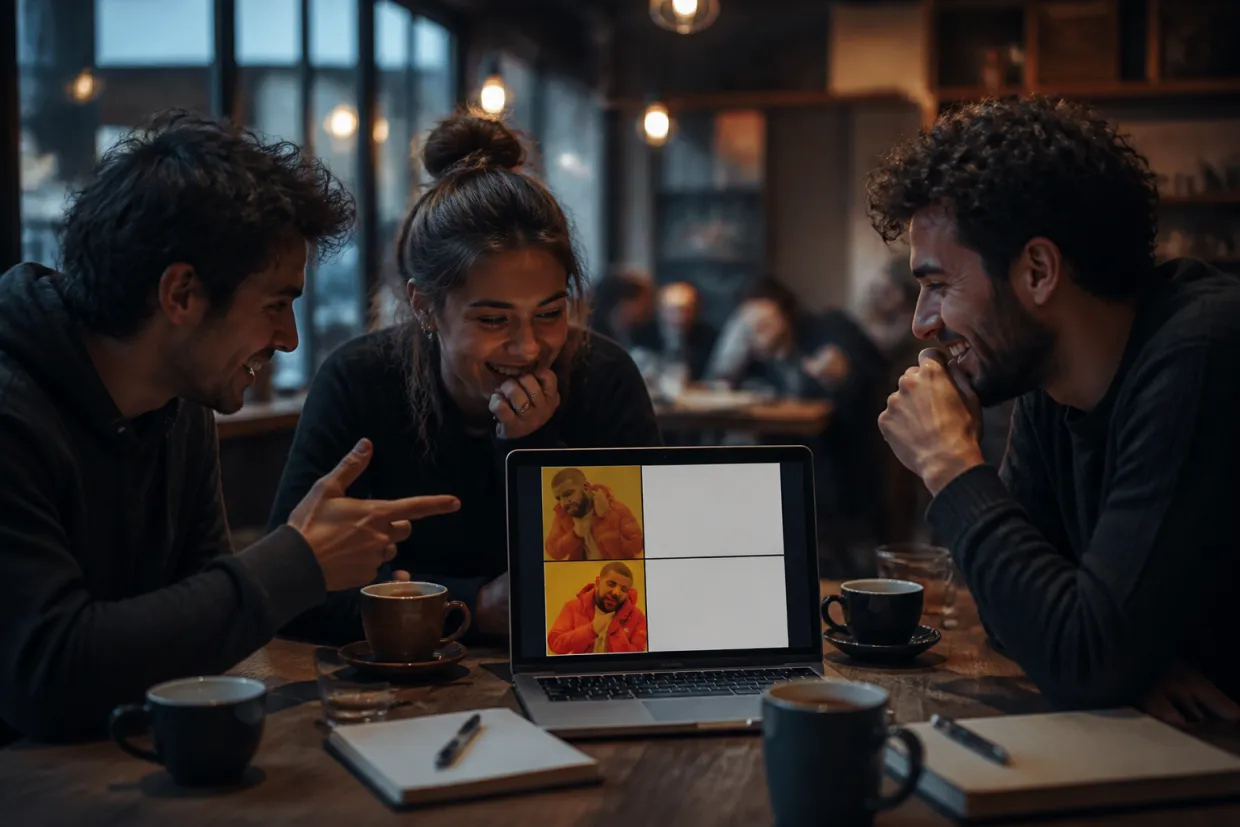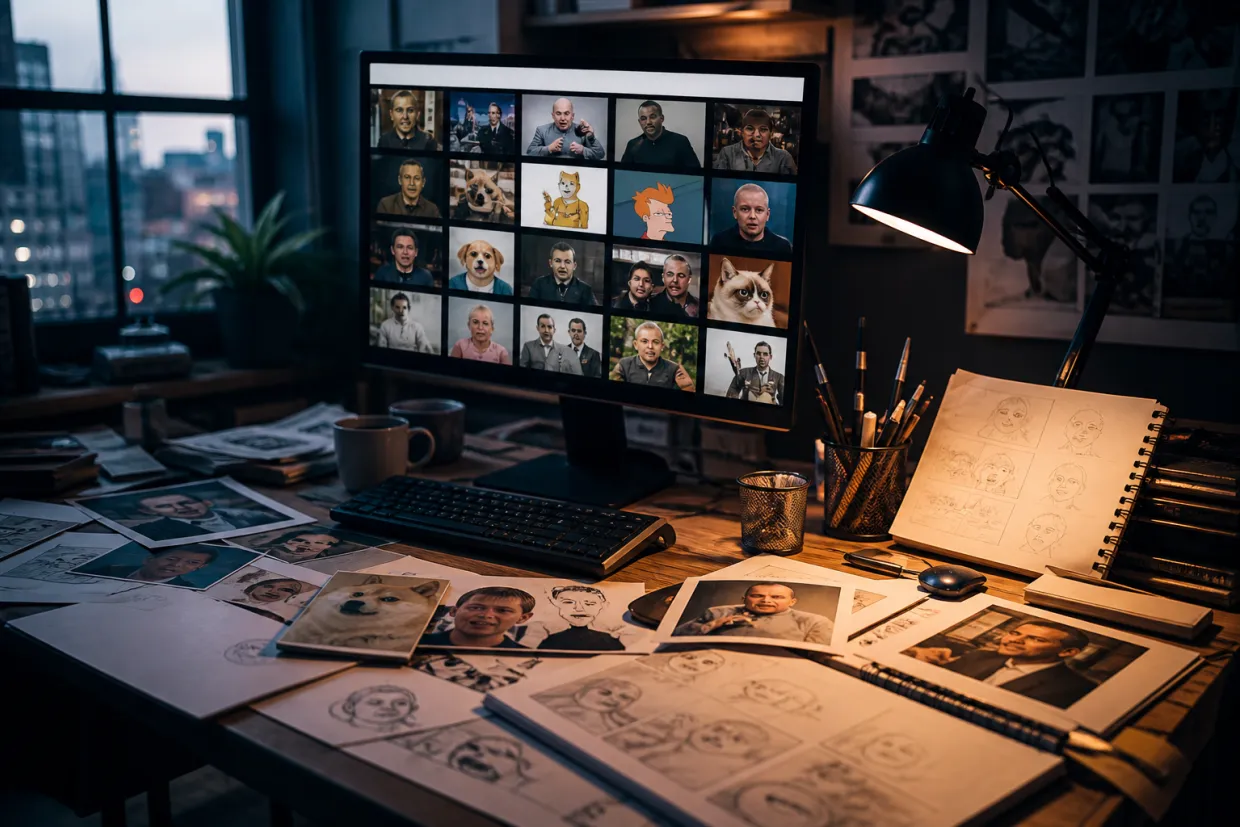
Current meme trends center on rapid absurdist formats and viral figures across TikTok, Instagram, and X. Key examples include the artificial intelligence persona Jean Philanthrope[1], the ambiguous "6-7" hand gesture performed by public figures [2, 3], and the Gucci Morty lifestyle parody[2].
Anatomy of Current Meme Trends: A Glossary Approach
Understanding current meme trends requires familiarity with specific terminology that shapes viral formats. Key terms include "aura," which refers to the perceived coolness or authenticity of a meme, often tied to its creator's social status. This concept is evident in the phenomenon of "aura farming," where users curate their online presence to appear effortlessly trendy, reflecting a shift towards valuing social currency in digital culture[3].
Another significant term is "reaction loop," which describes a meme format that encourages users to respond with their variations, creating a cycle of engagement. This format thrives on platforms like TikTok, where audio-driven content enhances the virality of reactions[1].
"Macro-templates" represent a structural shift in meme creation, allowing users to repurpose familiar formats with new content. For instance, the "6-7" meme, which emerged from Skrilla's drill track, exemplifies how absurdist expressions gain traction through adaptable templates, despite having no fixed meaning[4].
User behaviour has evolved, leading to shorter lifespans for memes. The rapid pace of content consumption on platforms like TikTok and Instagram accelerates the trend lifecycle, making it crucial for creators to capitalise on fleeting moments of virality. Brands, however, face challenges in this environment; integrating slang into marketing too late can result in being perceived as "cringe"[5].
The interplay between digital slang and meme formats illustrates a dynamic landscape where language is fluid. Terms like "skibidi" reflect this absurdity and lack of fixed definition, resonating particularly with Gen Alpha audiences[3]. Understanding these terms can help navigate the complexities of current meme trends, providing insight into the mechanics of viral content creation.
Top Trending Memes Right Now in 2026
Current viral memes reflect a blend of absurdist humour and cultural commentary, thriving on platforms like TikTok, Instagram, and X. Notable examples this month include the AI-generated character Jean Philanthrope, the "6-7" hand gesture, and the Gucci Morty image macro.
Jean Philanthrope emerged in September 2026, quickly gaining popularity and sparking debates about its authenticity and connections to a Solana meme coin. This persona is often depicted in humorous scenarios that challenge viewers' perceptions of reality and digital identity[1]. The setup typically involves exaggerated traits or situations that highlight the absurdity of online personas, with punchlines that often leave the audience questioning what is real.
The "6-7" meme, derived from American rapper Skrilla's drill track "Doot Doot (6 7)," has become a staple of absurdist expression. Its vague meaning allows users to apply the term in various contexts, making it highly adaptable for meme creation. The setup often features the hand gesture associated with the phrase, while punchlines play on the ambiguity, generating humour through the unexpected application of the term[4]. This meme gained further visibility when Pope Leo XIV integrated it into a public appearance, demonstrating its cultural reach[4].
Gucci Morty represents a visual meme format that parodies lifestyle influencers. This edited image of Morty Smith from "Rick and Morty" showcases a fashionable character that embodies the ironic aura of luxury brands. The setup involves presenting Morty in a relatable, yet exaggeratedly trendy context, while the punchline critiques the superficiality of influencer culture[2]. This meme has resonated particularly well with younger audiences who appreciate its blend of nostalgia and modern irony.
These examples illustrate the diverse landscape of current meme trends, highlighting how formats evolve and adapt to the fast-paced nature of social media algorithms. Understanding the origins, setups, and punchlines of these memes provides insight into their viral potential and cultural significance in 2026.
Gen Z and Alpha Slang Integration in Modern Memes
Contemporary memes increasingly reflect the integration of generational slang, particularly from Gen Z and Gen Alpha. This fusion is evident in popular formats like image macros and short-form videos. Terms such as "skibidi" exemplify the fluid nature of modern slang, often lacking fixed meanings yet resonating deeply within digital culture[3]. The playful absurdity associated with such terms allows for versatile meme creation, where users can adapt slang to various contexts without the constraints of traditional language.
The "6-7" meme, originating from Skrilla's track, showcases how generational slang can evolve into a widely recognised meme format. Its ambiguous nature allows users to apply it in diverse scenarios, making it a staple for absurdist humour on platforms like TikTok and Instagram[4]. This adaptability reflects a broader trend where memes serve as a canvas for linguistic experimentation, with creators leveraging the transient nature of internet slang to engage audiences.
Social media algorithms play a crucial role in amplifying these trends. TikTok thrives on fast-paced, audio-driven content, while Instagram focuses on curated visuals, each platform shaping the way slang is integrated into memes[1]. For instance, the Gucci Morty meme, which parodies influencer culture, uses generational slang to critique superficiality in digital aesthetics, demonstrating how language and imagery combine to create layered commentary[2].
Brands attempting to tap into this cultural zeitgeist face risks due to the rapid depreciation of slang. Terms that are trendy today may be perceived as outdated or "cringe" if integrated into marketing campaigns too late[5]. Successful engagement requires a nuanced understanding of the current slang landscape, as well as the ability to adapt quickly to evolving trends. This dynamic interplay between slang and meme formats illustrates the ongoing evolution of digital communication within youth culture.
Platform-Specific Dynamics: TikTok vs. Instagram vs. X
The dynamics of meme formats vary significantly across TikTok, Instagram, and X, reflecting the unique characteristics of each platform. TikTok is primarily driven by audio, favouring quick, engaging content that often features soundboard trends and dance challenges. Memes on this platform, like the "6-7" gesture, thrive on absurdity and rapid adaptability, allowing users to remix audio clips into new contexts[4]. This format encourages immediate engagement, with users quickly creating their variations to capitalise on viral moments.
In contrast, Instagram serves as a visual hub, where aesthetic curation takes precedence. Memes often manifest as image macros or edited visuals, such as the Gucci Morty parody, which critiques influencer culture through a blend of nostalgia and irony[2]. The platform's algorithm favours visually striking content, making it essential for creators to focus on imagery that resonates with current trends and aesthetics. Users expect a more polished presentation, which can lead to a slower engagement cycle compared to TikTok's rapid-fire consumption.
X, formerly known as Twitter, operates primarily as a text-based microblogging platform. Here, the focus is on quick-witted commentary and linguistic play, which allows for the exploration of meme formats that rely heavily on text, such as reaction memes. The platform's character limit encourages brevity and sharpness, making it ideal for memes that require quick, punchy jokes or commentary on current events. For instance, the integration of Gen Z slang into posts on X allows for a unique form of engagement that contrasts with the visual storytelling found on TikTok and Instagram[1].
Each platform's specific dynamics shape how memes evolve and how audiences interact with them. TikTok's audio-driven trends cater to a fast-paced consumption style, while Instagram's visual focus demands a more curated approach. X's text-centric environment fosters rapid discourse, making it a breeding ground for linguistic experimentation. Understanding these differences is crucial for content creators aiming to maximise their reach and effectiveness across social media landscapes.
A clear understanding of meme terminology is essential for navigating the complexities of modern digital culture. The following breakdown maps out key terms, their original contexts, and how they have evolved in contemporary usage.
| Term | Original Context | Modern Usage |
|---|---|---|
| Aura | Refers to the perceived coolness associated with a meme. | Now linked to "aura farming," where users curate their online presence to appear trendy, showcasing the shift towards valuing social currency in digital interactions[3]. |
| 6-7 | Originated from Skrilla's track "Doot Doot (6 7)," representing an absurdist gesture without a fixed meaning. | Widely used on platforms like TikTok for humour, often enhanced by public figures performing the gesture, exemplifying the adaptability of meme formats [2, 3]. |
| Gucci Morty | An edited image of Morty Smith from "Rick and Morty," styled to parody influencer culture. | Represents a critique of superficiality in lifestyle branding, illustrating how memes can combine nostalgia with modern irony[2]. |
| Skibidi | A term reflecting absurdist expressions prevalent among Gen Alpha. | Used as a flexible slang term that adapts to various contexts, embodying a playful scepticism towards digital environments[3]. |
| Unc | A generational equivalent to "bro," often applied to anyone perceived as older. | This term highlights the linguistic shift in youth culture, showcasing how language evolves to track social dynamics and hierarchies[6]. |
| Choppleganger | A portmanteau combining "chopped" and "doppelganger." | Illustrates the trend of creating complex new terms that reflect ironic social commentary, showcasing the creativity inherent in modern internet slang[6]. |
Understanding these terms provides insight into the mechanics of viral content creation. As the landscape of digital communication continues to evolve, recognising the shifts in language and context will enable meme enthusiasts and content creators to engage more effectively with current trends. The rapid depreciation cycle of slang also emphasises the importance of timely integration, as brands risk being labelled "cringe" if they fail to keep pace with evolving language[5].
Current Meme Trends: Terminology Matrix and Structural Breakdown
| Meme | Origin | Linguistic Mechanics | Lifespan | Platform Dynamics |
|---|---|---|---|---|
| Jean Philanthrope | AI-generated persona, Sept 2026 | Absurdity, identity questioning | Short-lived, depends on trends | Popular on TikTok, Instagram, X |
| 6-7 | From Skrilla's track, 2026 | Absurdist gesture, no fixed meaning | Highly adaptable, varies by context | Thrives on TikTok, Instagram |
| Gucci Morty | Edited image from 'Rick and Morty', Aug 2026 | Parody of influencer culture | Moderate lifespan, depends on irony | Strong on Instagram, TikTok |
| Skibidi | Gen Alpha slang | Fluid expression, playful scepticism | Short-lived, context-dependent | Popular on TikTok |
| Unc | Generational slang for 'bro' | Tracks social dynamics | Varies, depends on usage | Common across all platforms |
| Choppleganger | Portmanteau of 'chopped' and 'doppelganger' | Complex irony, social commentary | Depends on meme evolution | Used across platforms for text-based memes |
Your questions, answered
- What is the most trending meme right now?
The viral AI-generated French persona Jean Philanthrope emerged in September 2026, quickly spreading across TikTok, Instagram, and X while sparking online debates regarding its authenticity and ties to a Solana meme coin[1].
- What are the 10 most popular memes?
Current trends feature diverse viral formats such as the absurdist '6-7' gesture, the lifestyle influencer parody Gucci Morty, and fluid slang expressions like skibidi [2, 4, 5]. These formats rely heavily on rapid social media adaptation and platform-specific dynamics across TikTok, Instagram, and X[1].
- What is gen Z in memes?
Gen Z meme culture integrates modern digital terminology to track social currency, utilizing vocabulary structures like aura farming to describe effortless coolness[3]. Linguistic analyses also highlight generational terms like unc applied as equivalents to bro for anyone over the age of 25[6].
- What is the viral meme?
Viral memes often manifest as absurdist slang or edited visual formats that spread rapidly across social networks. Examples include the '6-7' hand gesture and the Gucci Morty image macro parodying luxury lifestyle aesthetics [2, 4].
- Current meme trends today
Current trends heavily feature portmanteaus like choppleganger and flexible terms like skibidi that reflect a playful skepticism toward digital environments [5, 10]. Brands attempting to leverage these trends face rapid slang depreciation cycles where delayed corporate usage is labeled as cringe[5].
- Current meme trends tiktok
TikTok continues to thrive on fast-moving audio-driven soundboard trends and dance challenges. Content on this platform heavily amplifies absurdist slang and viral gestures like the '6-7' movement [2, 7].
- Current meme trends this week
Recent discussions focus on the integration of AI-generated personas like Jean Philanthrope alongside established absurdist trends. These formats generate intense online debate and fast-paced commentary across major social platforms [1, 7].
Conclusions
Monitor platform-specific algorithms carefully, as TikTok prioritises audio-driven formats while Instagram relies on visual curation.
Avoid delayed marketing campaigns to prevent slang depreciation and being labelled as cringe by digital audiences[5].
Track generational terminology shifts closely, particularly terms like aura and unc, to maintain relevance in online communities [6, 9].
Read more about top-tier digital content through The Best Funny Memes of 2026: A Curated List.
Resources worth knowing
We keep a short list of services we check regularly.